- Products
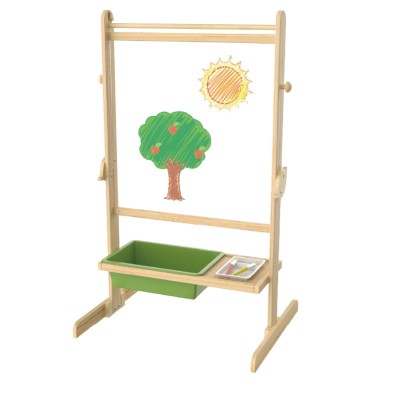
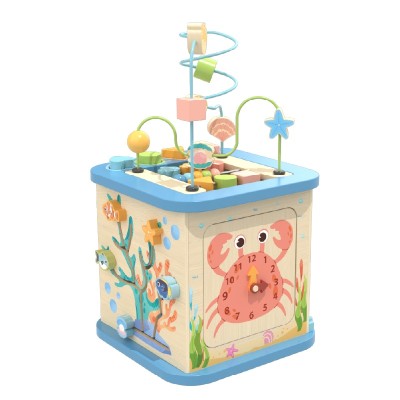
10 categories of custom wooden toys
Every category is tooled in-house — 500 pcs MOQ, EN71 / ASTM F963 tested.
- Customized Services
From your brief to a shipped carton
OEM, ODM and private label programs run on the same tooling, QC and packaging lines.
Service models Sampling in 7 days
In-house CNC and paint shop keep prototypes moving.
Start a sample → - Solution
Built around who you sell to
Programs shaped for brand owners, retailers and education buyers — not one-size-fits-all.
Programs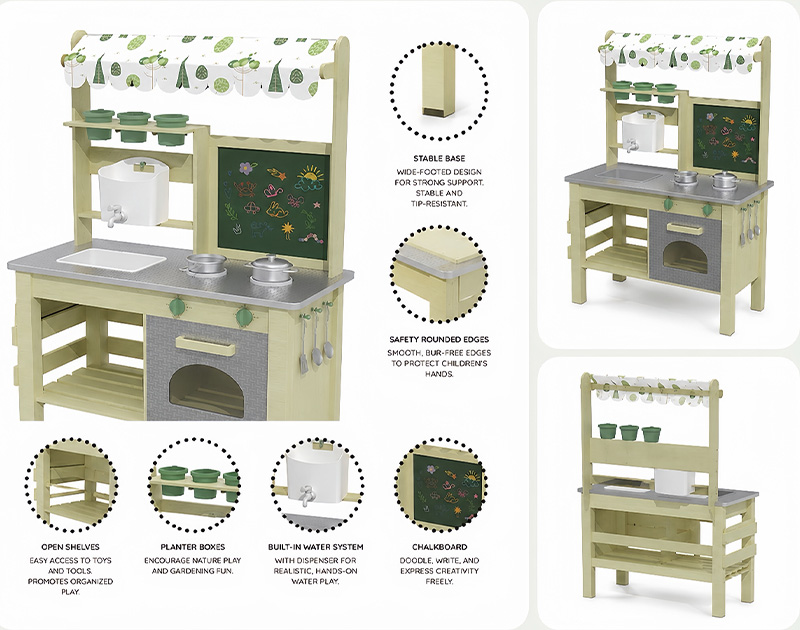 World's top-10 toy brands
Chosen supplier since 2011.
Read the cases → - Ability
Design, manufacturing and quality in one system
90,000 m² in Yunhe, Zhejiang — design, machining, painting, assembly and inspection under one roof.
Capability 3.6 million units a year
18 production lines running two shifts.
See the line → - About Us
Wooden toys since 1993
A Yunhe-based maker that grew with the world’s toy brands — and still finishes every edge by hand.
Company Design studio in-house
12 designers and 6 engineers on staff.
Meet the team → - Support
Answers before you ask
Blogs, FAQ and the purchasing guide — everything a sourcing team asks us before the first order.
Read Purchasing guide 2026
68 pages on costing and compliance.
Read the guide →
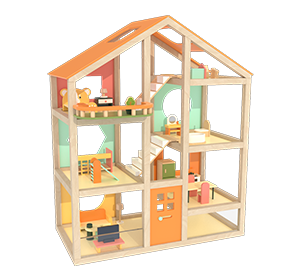
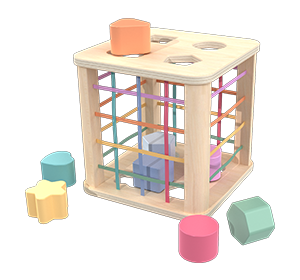
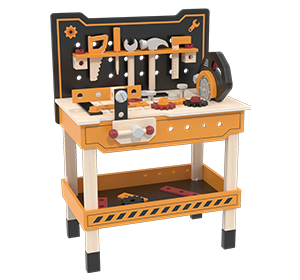
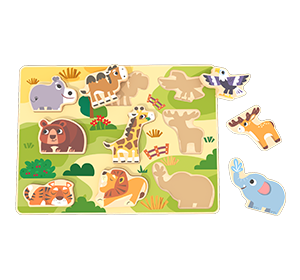
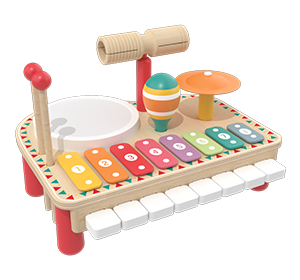
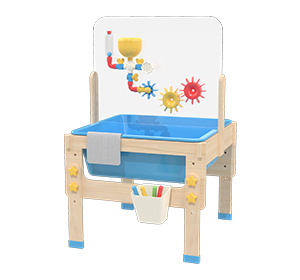
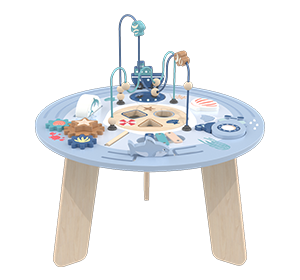
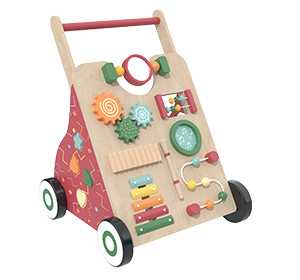
How do you manage small-parts risk and age grading for children’s products?
A:Safety starts at design: products are designed to EN 71 requirements, and small-parts risks and age suitability for the intended age group are verified with per-order test reports.
How small-parts risk is managed
- Designed to EN 71 requirements — small-parts, sharp-edge and mechanical/physical considerations are built into the design-for-manufacturing review
- Sample-stage review: prototypes and pre-production samples are checked for small parts, secure fixings and edge quality appropriate to the target age
- Per-order test reports verify the actual product and materials for the declared age grade
- Age-grading advice: we flag parts or features that do not match the intended age band before tooling is cut
Age band drives the design
Tell us the intended age group at the start (for example 3–6 years) so small-parts and fixing choices are right from the first prototype — changes after tooling are far more costly.
Related: What safety standards do Kidmerry wooden toys meet?· Do you provide pre-shipment quality inspection?
Share the target age group and we will design to it.
Start an age-safe design