The Science of Sensory Play: How Wooden Sensory Toys Support Early Development
The Science of Sensory Play: How Wooden Sensory Toys Support Early Development
During the first five years of life, a child's brain forms more than one million neural connections every second. Sensory play — activities that stimulate touch, sight, sound, and movement — is the engine driving this rapid neural construction.
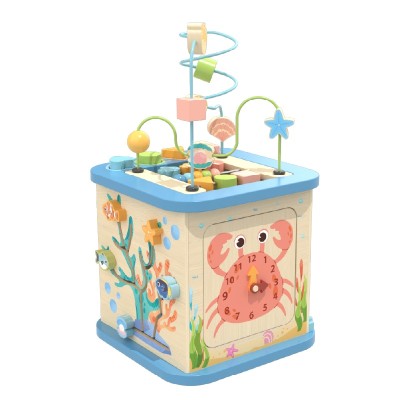
Wooden sensory toys occupy a unique position in early-development toolkits. Their natural grain, weight, and temperature variation deliver richer tactile feedback than plastic alternatives. From bead mazes to textured puzzle boards, these toys engage multiple senses simultaneously, accelerating both cognitive and fine-motor development.
For retailers and educational distributors, understanding the science behind sensory play is essential to curating product lines that parents and educators actively seek.
Tactile Stimulation and Neural Pathway Formation
Each time a child runs fingers across a wooden texture board or traces the curve of a bead maze, they send complex tactile signals to the brain. These signals strengthen neural pathways associated with sensory processing, which later support reading readiness, handwriting, and spatial reasoning. High-quality wooden sensory toys, finished with non-toxic, saliva-resistant coatings, ensure safe, repeated tactile exploration.
Fine Motor Skill Development
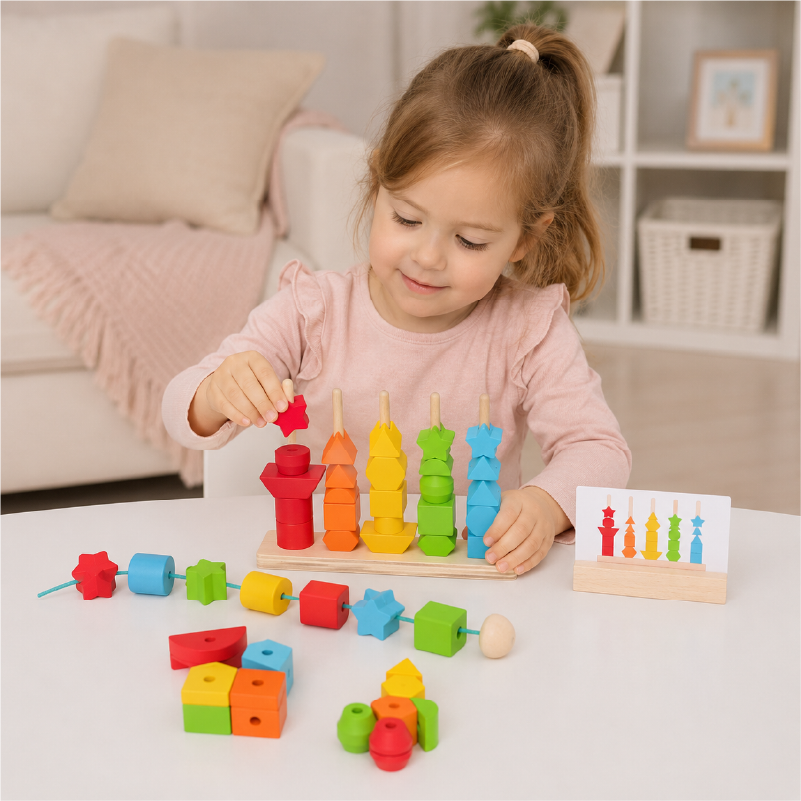
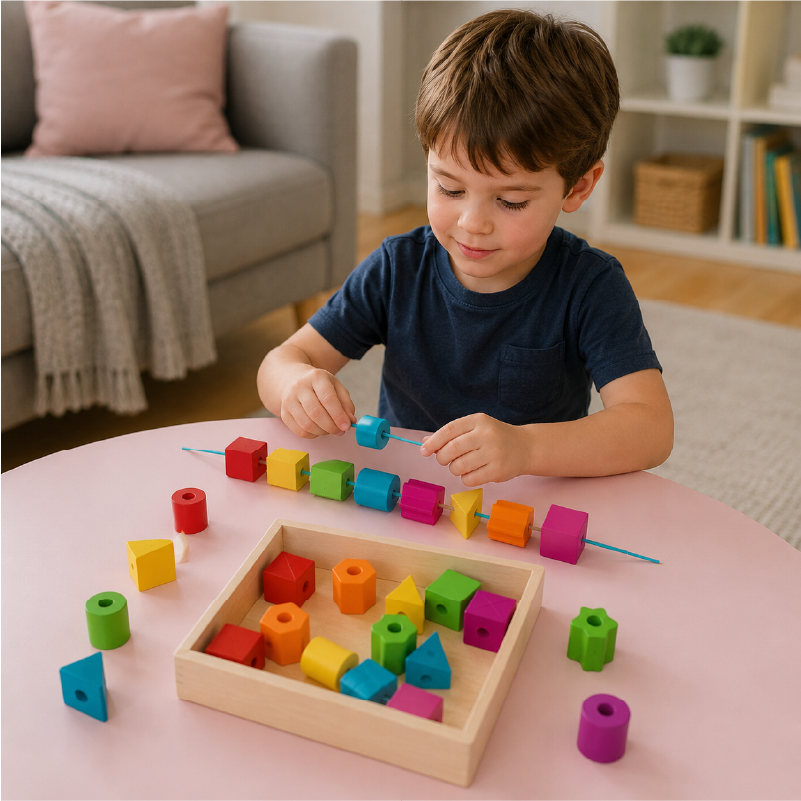
Grasping, twisting, threading, and sliding wooden components require precise finger control and hand-eye coordination. Sensory toys that incorporate knobs, toggles, beads, and gears progressively challenge developing motor skills. Occupational therapists frequently recommend wooden manipulatives because they offer the right level of resistance — not too slippery, not too rigid — for building grip strength and dexterity.
Cognitive Growth Through Open-Ended Exploration
Unlike battery-operated toys with fixed functions, wooden sensory toys encourage open-ended play. A child might use a bead maze to practice counting one day and storytelling the next. This flexibility fosters creativity, executive function, and sustained attention. B2B buyers who invest in versatile sensory toy lines position their brands as premium educational providers rather than commodity toy sellers.
Looking for custom wooden toys for your brand?
Contact KidMerry for OEM/ODM solutions, fast sampling, and certified manufacturing. Get a Quote